
Curation: Things You Can Curate and How to Monetize Your Curations
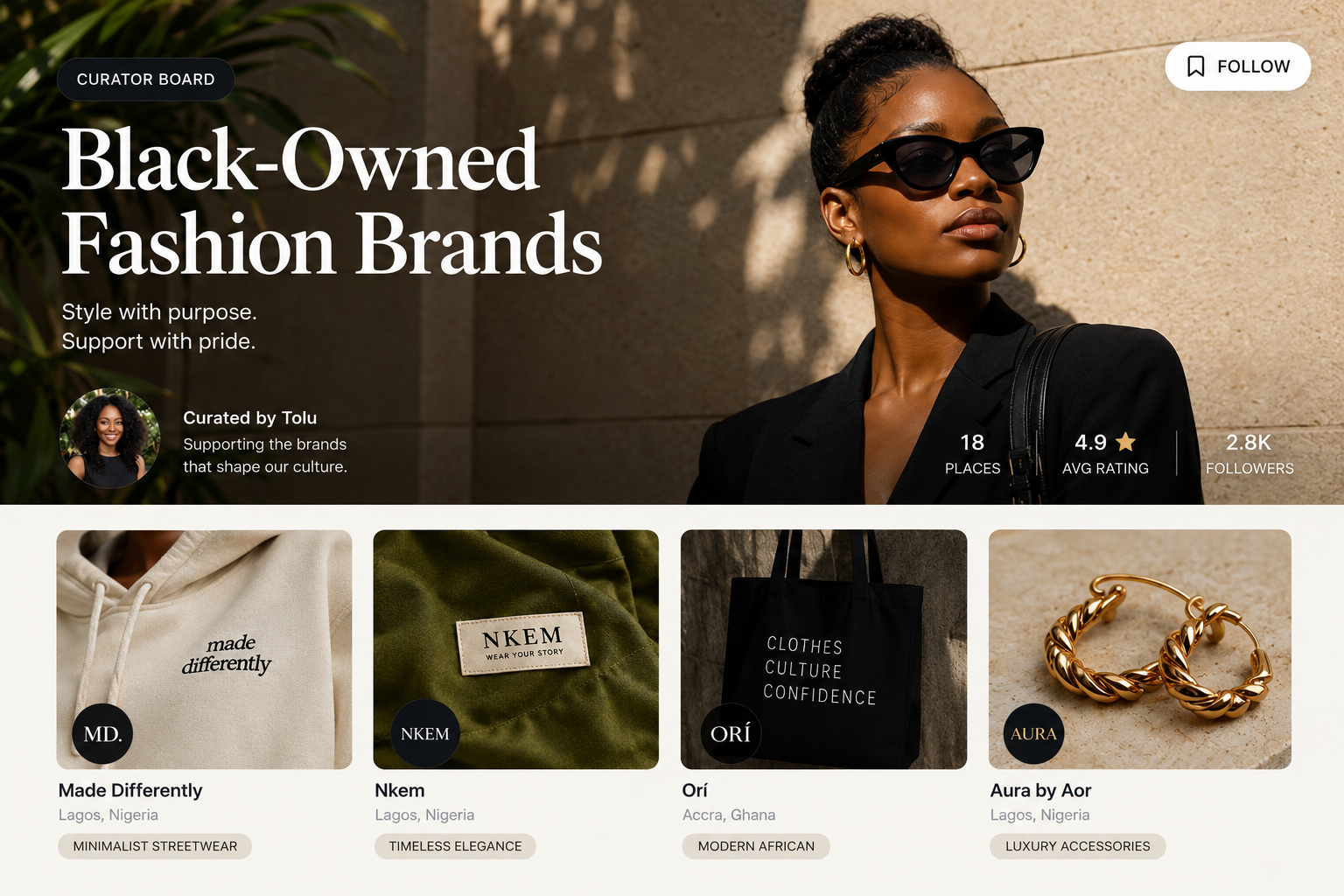
Your knowledge, taste, and recommendations may be more valuable than you think.
Think about the last time someone asked you to recommend a good restaurant, a reliable service provider, a place to spend the weekend, or a community worth joining.
Perhaps you immediately knew what to recommend. Maybe your friends regularly come to you because you always seem to know where to find what they need.
You may not realise it, but you are already doing something valuable: curation.
Curation involves discovering, selecting, organising, and sharing information, resources, products, or experiences around a particular interest or need. Instead of making people search through countless options, a curator helps them find options worth considering.
In a world overflowing with information, that ability is increasingly useful. And when curators consistently provide value to their audiences, there may be opportunities to turn their knowledge into income.
Let’s explore what you can curate and how you might monetise your efforts.
What Is Curation?
Curation is more than collecting links or putting random items together. It involves making thoughtful decisions about what belongs in a collection, who the collection is for, and why the selected items matter.
Consider the difference between listing 20 restaurants and creating a guide to affordable date-night restaurants, complete with locations, price ranges, ambience, and recommendations for different occasions.
The second approach adds context that helps people make decisions.
Good curation can help people save time, discover options they might otherwise miss, compare alternatives, and make more informed choices.
The value of curation is not necessarily in having the largest collection. It is in helping the right people find the right things.
7 Things You Can Curate
Curation can begin with almost any subject you understand well, care about, or are willing to research carefully.
1. Places and Local Experiences
People are constantly looking for places to eat, relax, work, explore, and spend time with others.
You could curate affordable restaurants, weekend activities, family-friendly attractions, work-friendly cafés, travel destinations, or hidden gems in your city.
For example, a guide to affordable weekend experiences in Lagos could include locations, estimated budgets, opening hours, and activities suited to different interests.
The more useful the information, the easier it becomes for people to act on your recommendations.
2. Businesses and Service Providers
Finding a business is not always the same as finding one that suits your needs.
You could curate photographers, makeup artists, event planners, home-service providers, freelancers, or small businesses offering locally made products.
Imagine a collection of event vendors in Abuja that helps people compare photographers, decorators, caterers, and venues in one place.
A useful collection does more than name businesses. It explains what they offer, who they serve, and how people can contact them.
3. Products and Shopping Recommendations
People often turn to creators, reviewers, and knowledgeable friends before making purchases.
You could curate skincare products, affordable fashion finds, technology accessories, books, home organisation products, or gift ideas.
A collection titled “Useful Work-from-Home Products Under ₦30,000” is more actionable than a random list of products.
Explain why each item is included, verify important details, and be transparent about whether you have personally used a product or are recommending it based on research.
4. Communities and Professional Networks
Sometimes, what people need most is not another product. They need the right people around them.
You could curate communities for entrepreneurs, parents, creatives, technology professionals, fitness enthusiasts, or people pursuing particular career goals.
For example, a guide to professional communities could explain what each group offers, who can join, and whether it provides networking, mentorship, learning resources, or other opportunities.
This makes it easier for people to find communities that genuinely match their needs.
5. Educational Resources and Learning Opportunities
The internet contains countless courses, scholarships, tutorials, books, and newsletters. Knowing where to begin can be difficult.
You could curate free online courses, scholarships, digital skills resources, career-development opportunities, or learning paths for specific professions.
A guide to free digital marketing courses, for instance, could organise resources by skill level, subject, duration, and certification availability.
Always verify deadlines, eligibility requirements, and other important details before publishing time-sensitive opportunities.
6. Events and Opportunities
Events can connect people with knowledge, relationships, customers, and new experiences.
You could curate industry conferences, workshops, networking events, creative showcases, community meet-ups, or volunteering opportunities.
A useful event collection should include dates, locations, registration details, costs, and information about who would benefit from attending.
You could even specialise in a particular niche, such as entrepreneurship events in Nigeria or creative industry opportunities across Africa.
7. Experiences Built Around Specific Interests
Some collections are most useful when they help people plan an entire experience rather than choose an individual product or location.
Examples include a birthday celebration on a budget, a solo self-care day, a creative weekend in your city, or a family-friendly holiday itinerary.
A curator could bring together suitable locations, businesses, activities, and practical planning information to make the experience easier to organise.
This can also create opportunities for several relevant businesses to be discovered through one collection.
How Can You Monetise Your Curations?
Creating a useful collection is a starting point. Monetisation depends on the audience you serve, the value you provide, and the business model that suits your niche.
Here are six potential approaches.
1. Affiliate Marketing
Affiliate marketing allows you to earn a commission when someone purchases a product or service through a qualifying referral link.
For example, a curator who creates a guide to useful travel accessories could include affiliate links to eligible products.
When readers make qualifying purchases, the curator may earn commissions according to the programme’s terms.
The key is to recommend products that genuinely match the audience’s needs and disclose affiliate relationships.
2. Sponsored Collections
Businesses may pay to be featured in collections that reach relevant audiences.
A fashion curator, for example, might collaborate with independent clothing brands to create a collection showcasing selected products.
A local experiences curator might partner with businesses promoting seasonal offers.
However, sponsorship should not undermine trust. Sponsored placements should be identified clearly, and recommendations should remain relevant to the audience.
3. Paid Guides and Premium Collections
Some collections require considerable research, expertise, and maintenance.
You could sell detailed guides, premium resource libraries, or specialised collections that solve specific problems.
Examples include a wedding-planning guide, a researched directory of professional service providers, or a curated resource library for a particular career.
People are more likely to pay when a collection saves them time or provides valuable expertise.
4. Brand Partnerships
Brands often want to reach people who are already interested in their products or industry.
A curator with a clear niche could collaborate with brands on campaigns, themed collections, product discovery, or sponsored content.
For instance, a home-design curator might partner with furniture and décor businesses to showcase products suited to a particular interior style.
Successful partnerships should provide value to the audience, not simply exposure for the brand.
5. Leads and Referrals
Some businesses value qualified customer enquiries more than general visibility.
A curator who connects customers with suitable service providers may establish referral arrangements with participating businesses.
For example, a wedding-planning curator could connect prospective clients with photographers, caterers, and decorators.
Referral fees, eligibility requirements, and payment terms should be agreed upon in advance and disclosed where appropriate.
6. Community-Based Opportunities
Curators who build trusted communities around shared interests may eventually create opportunities through events, sponsorships, partnerships, or other community-related services.
A professional community, for instance, might organise sponsored workshops or collaborate with relevant service providers.
These opportunities depend on community engagement, members’ needs, and the agreements involved. Monetisation should not come at the expense of members’ trust.
What Makes a Curated Collection Valuable?
Not every collection will attract an audience or generate income. A few principles can help you build something people genuinely value.
Know your audience. Focus on a particular group and understand what they need.
Solve a real problem. Build collections around what people are trying to find, compare, understand, or accomplish.
Add useful context. Explain why each item belongs in the collection and who might benefit from it.
Keep information accurate. Verify business details, prices, opening hours, event dates, and other important information.
Be transparent. Clearly disclose sponsorships, affiliate links, and other commercial relationships. Build trust before monetising. Prioritise relevance and honesty over short-term earnings.
Measure what matters. Where possible, track engagement, saves, clicks, enquiries, and conversions to understand whether your recommendations are useful.
How Technology Can Make Curation Easier
Curation can begin with a spreadsheet, social media post, newsletter, or collection of saved links.
As collections grow, however, organising recommendations and helping people discover the right ones can become more difficult.
Technology can make it easier to organise collections, discover relevant recommendations, connect users with curators, and create opportunities for businesses to reach interested audiences.
This is one of the ideas behind Xafarii.
Xafarii is building a connected discovery experience designed to help people discover businesses, places, experiences, and communities. Its vision includes helping curators organise and share useful knowledge while connecting people with relevant recommendations.
You Don’t Have to Start Big
You do not need a huge audience, an elaborate website, or hundreds of recommendations to begin curating.
Start with something you know.
Perhaps your friends regularly ask where to buy affordable clothes. Maybe you know the best places to work quietly in your city. Or perhaps you have researched scholarships and can organise useful opportunities for other students.
Choose one audience, identify one problem, and build a small, useful collection. Ask people whether it helps them and improve it based on their feedback.
Over time, you can discover which recommendations people value, where partnerships make sense, and whether there is a sustainable way to monetise your work.
Your knowledge may help you identify useful options. Your judgement may help you select them. But your ability to help people make better decisions is what gives curation its value.
